
Innovative regeneration devices for professional and home use alike.


Home › Oxygen therapy > OXYHEALTH Elite PRO

OXIGENTERAPY
OXYHEALTH Elite PRO
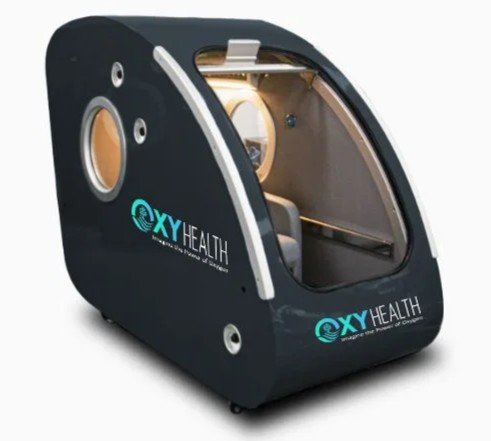
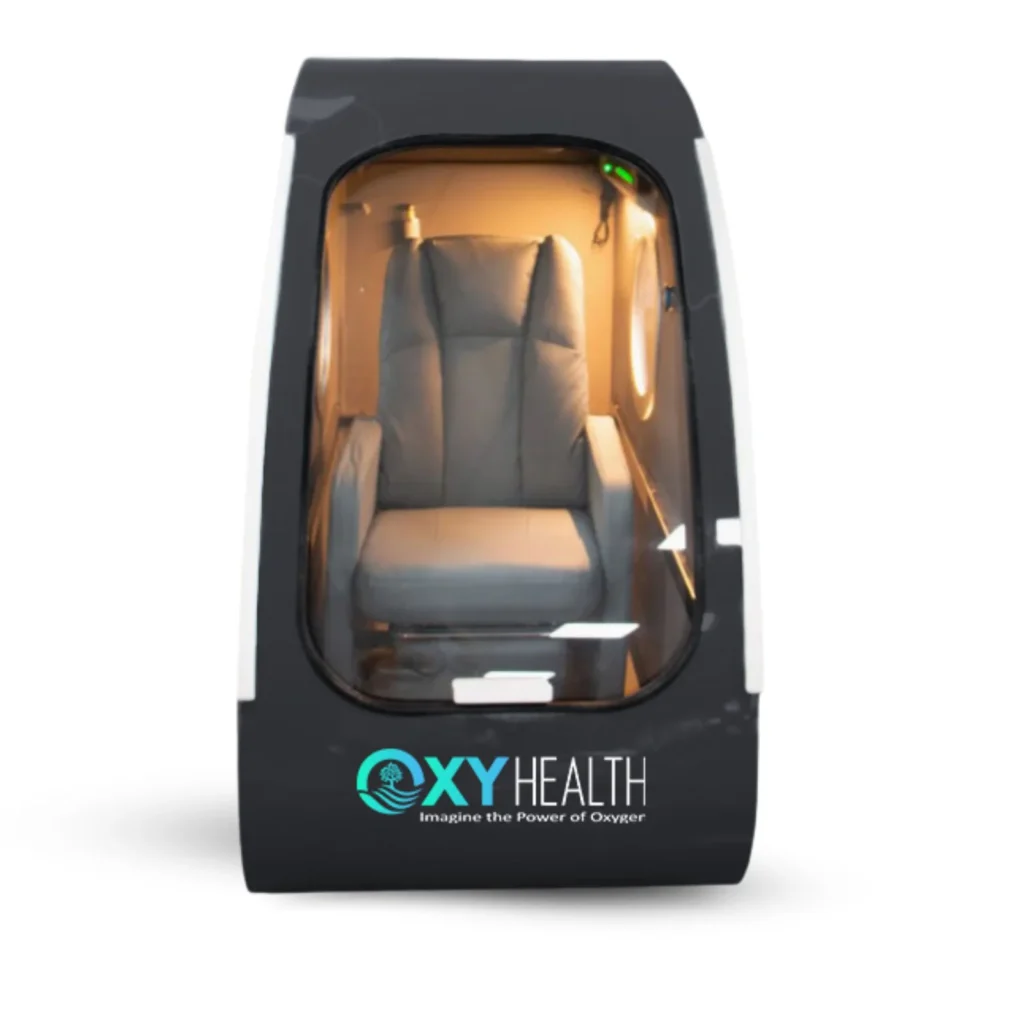
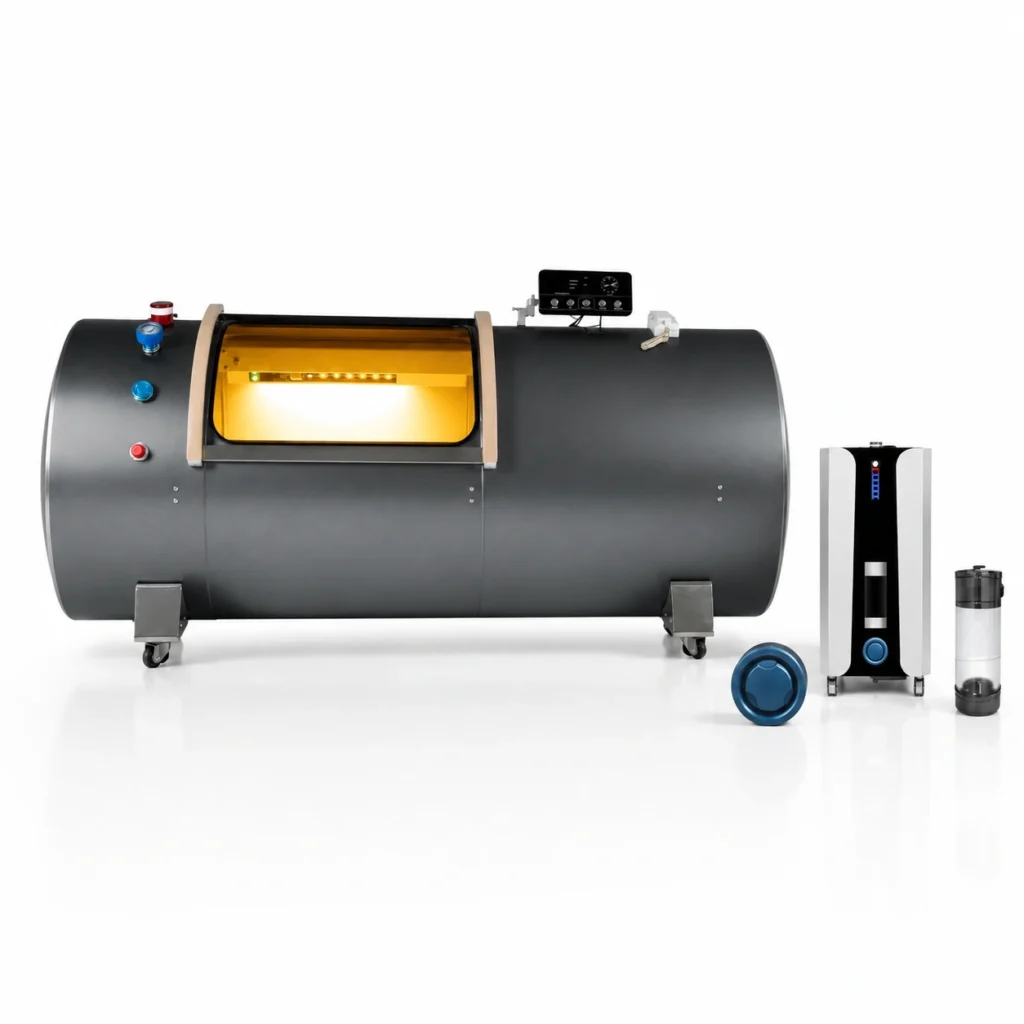
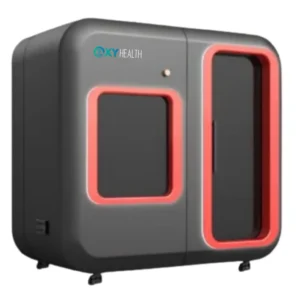
A premium hard-shell seated hyperbaric chamber for clinics, therapy centres and wellness areas. The comfortable, adjustable armchair makes the therapy pleasant even while reading.
- 1.5 ATA operating pressure, a clinical-level experience
- A stainless steel chamber body with PC engineering plastic windows
- 200 x 86 x 130 cm, a comfortable seated position
- Inner and outer digital control panel
Delivery time 6-8 weeksManufacturer lead time from order
Installation and trainingOur own team carries it out on site
Maintenance and serviceOur own service team and spare parts store

Better recovery
Increased oxygen intake stimulates the regeneration processes of the body.

More energy
The increased oxygen supply raises energy levels both during and after the treatment.

Faster recovery
It supports faster recovery, so it is a good choice for both rest and physical restoration.
A clinical experience.
Seated comfort.
Fast recovery.
The Elite PRO operates at a pressure of 1.5 ATA, which makes fast and effective oxygen therapy possible. The adjustable armchair and the large windows on both sides give a comfortable, light environment throughout.
INNOVATION AND COMFORT
What makes this model special?

A safe 1.5 ATA
An optimal hyperbaric environment with a high level of safety and predictable operation.
A stainless steel body
It is made of premium quality steel using an advanced welding process.
Large windows
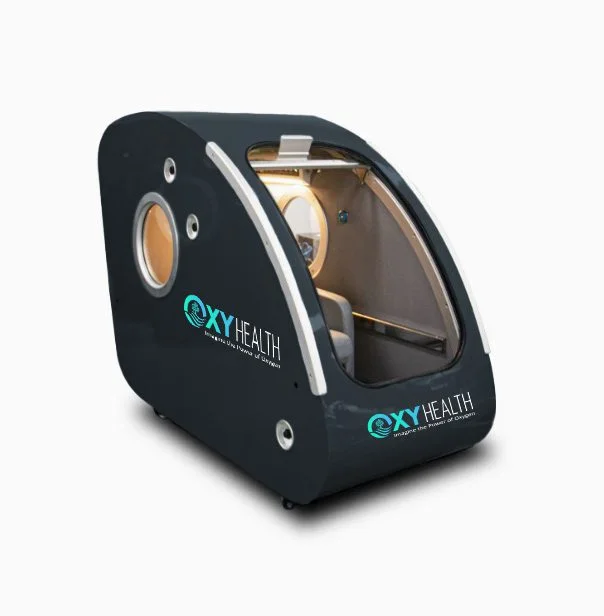
There is a window in the door and on both sides of the chamber, which increases the sense of space.
A dual control panel
An inner and an outer digital display, so the chamber can be used without help.
PRODUCT DESCRIPTION
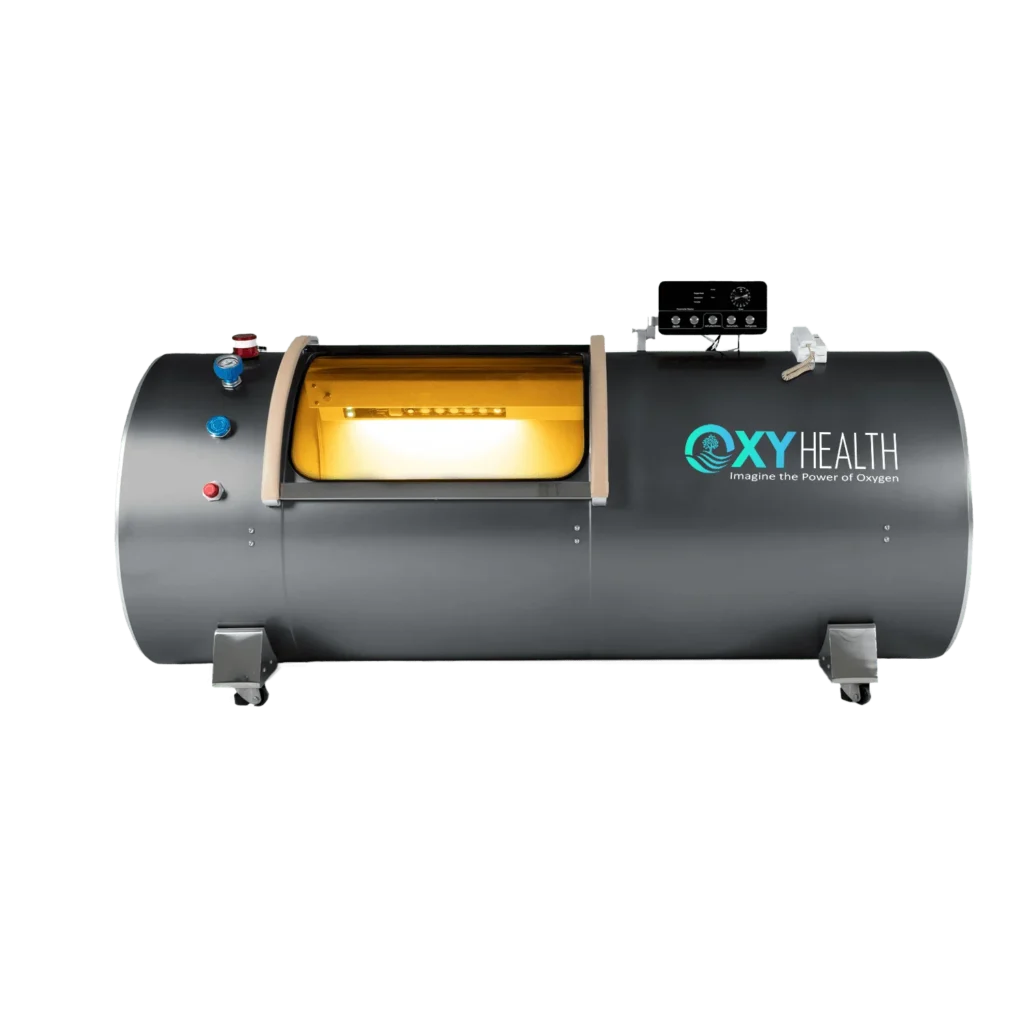
The OXYHEALTH Elite PRO hard-shell mild hyperbaric oxygen chamber (mHBOT) is made of premium stainless steel, which gives it a long service life and outstanding durability. Its spacious interior - 200 cm long and 86 cm wide - allows treatment in a comfortable seated position.
The wide door makes entering and leaving easy, while the transparent windows on both sides give a light environment and make communication during the therapy simpler. The built-in digital display keeps the process visible throughout.
The chamber operates at an operating pressure of 1.5 ATA, which creates an ideal environment for fast and effective oxygen therapy. The increased oxygen intake stimulates regeneration, may raise energy levels and speeds up recovery.
The adjustable armchair gives a comfortable position for the whole of the therapy, so the treatment can be spent reading or resting.
More about the construction and the safety features
Construction and material
The chamber body is made of premium stainless steel using an advanced welding process, with PC engineering plastic windows. This gives it its pressure resistance and its long-term retention of shape.
Windows and control
There is a large transparent window in the door and on both sides of the chamber. Both the inner and the outer digital panel show the therapy data, so it is simple to use without help.
Safety systems
The intelligent door sensor only allows the chamber to be started when the door is fully closed. The sliding door works with a pressure seal and automatic pneumatic control, and the two-way telephone system keeps you in contact throughout.
Air purification and cooling
The anion air purification and the built-in cooling provide a pleasant, dry temperature and air free of dust, viruses and bacteria inside the chamber.
| Product model | Elite PRO |
| Item number | OH-ELITE-PRO |
| Operating pressure | 1.5 ATA (11 psi) |
| Oxygen concentration | 90% or higher, adjustable |
| Pressure equalisation method | Air |
| Material | Stainless steel + PC engineering plastic |
| Size (external) | 2000 × 860 × 1300 mm |
| Interior | 200 cm long, 86 cm wide, seated position |
| Weight | 700 kg |
| Compression / decompression | 5-10 minutes |
| Control | Inner and outer digital display |
| Oxygen mask | 93% pure oxygen |
| Delivery time | 6-8 weeks |
WHO DO WE RECOMMEND IT FOR?

For wellness clinics
A premium, clinical-level treatment alongside your existing services.

For therapy centres
A treatment that is predictable and easy to schedule, in a seated position too.

For beauty spas
A comfortable armchair and a light interior that become part of the guest experience.

For athletes
Fast recovery after training or competition, in a seated position as well.
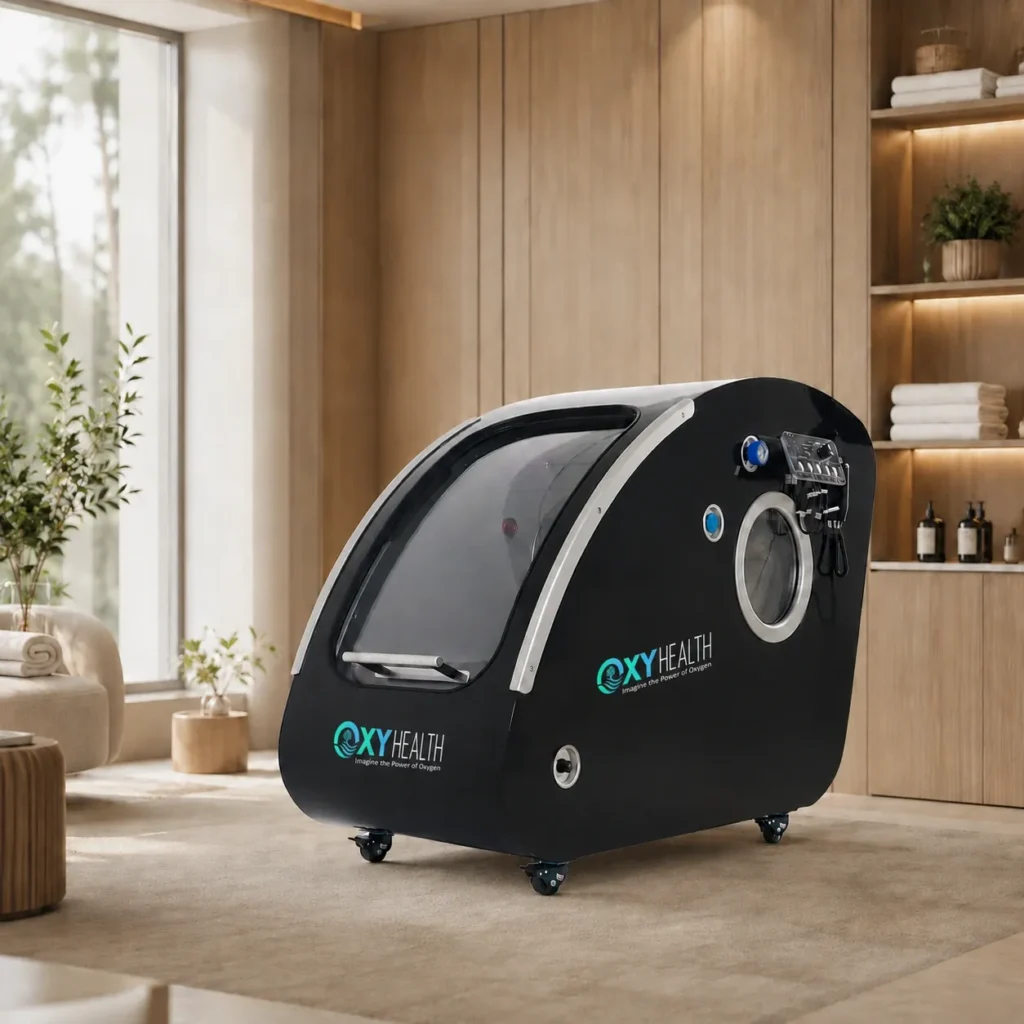
SAFETY SOLUTIONS
Safety in every detail
Using the chamber is reassuring when the technology takes care of the details. That is why the Elite PRO has several independent safety solutions.
- Intelligent door sensor: the chamber can only be started when the door is fully closed
- A sliding door with a pressure seal and a door opening and lowering system
- A two-way communication telephone system
- An automatic pneumatic control system and an internal pressure gauge
- Anion air purification and cooling, with an ultra-quiet exhaust valve
Why buy from us?

Official guarantee
We provide a full guarantee on the devices we distribute.

OUR OWN SERVICE TEAM
We work with a well-stocked spare parts store and remote diagnostics.

Installation and training
We carry out the commissioning and the personal training on site.

Try it out with us
Our devices can be tried out at the Imagine Health Center.
LEARN MORE!
Frequently asked questions
At what pressure does the chamber operate?
The Elite PRO operates at an operating pressure of 1.5 ATA (11 psi), which gives an ideal environment for fast and effective oxygen therapy.
Can it be used sitting or lying down?
The Elite PRO was designed specifically for a seated position: it contains a comfortable, adjustable armchair, so the treatment can be spent reading.
What oxygen supply does it provide?
The oxygen concentration is 90% or higher and is adjustable. With an oxygen mask, oxygen of 93% purity is available.
How much space does it need?
The external dimensions of the chamber are 2000 x 860 x 1300 mm and it weighs 700 kg, so a stable, level floor is advisable. We are happy to help with the exact space requirements.
What is the delivery time, and what does the service include?
The manufacturer lead time is 6-8 weeks. We also undertake installation, training and maintenance - these can be requested as additional services.
Can it be tried out before buying?
Yes. The devices we distribute can be tried out at the Imagine Health Center, by prior appointment.
REQUEST FOR QUOTATION
Request an individual quotation!
Fill in the form and our colleague will contact you shortly. If you already have a specific question about installation or space requirements, write it in the message.